
 Facebook
 X
X
 Pinterest
 Copy Link
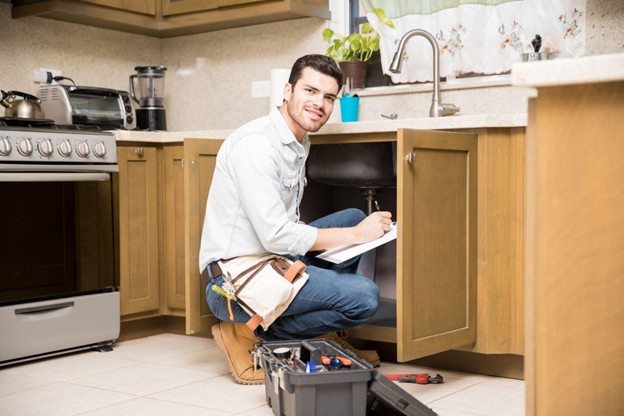

Smart fix-ups
Image: Freepik
Smart Pre-Listing Home Fixes That Actually Pay Off
Homeowners getting ready to sell face the same problem every time: too many possible projects and not enough clarity on what truly helps a sale. The goal isn’t to create a dream home for the next decade; it’s to remove friction so buyers can picture themselves living there and justify the asking price. The smartest approach is to focus on visible, confidence-building improvements while sidestepping upgrades that quietly drain your budget.
Quick Takeaways
- Cosmetic updates usually outperform structural overhauls in buyer perception.
- Projects that make a home feel clean, bright, and maintained tend to deliver the best returns.
- Over-customized or luxury upgrades often fail to recoup their full cost at resale.
Why Small Fixes Move the Needle More Than Big Renovations
Buyers make emotional judgments quickly, often within minutes of walking through the door. Fresh finishes and tidy details signal that a home has been cared for, reducing fear of hidden problems. Large remodels, on the other hand, may not match a buyer’s taste and can even raise expectations in ways that complicate negotiations.
Repairs and Upgrades With the Strongest Return
These improvements tend to balance cost, speed, and buyer appeal without overcommitting resources.
| Project Type | Typical Cost Range | Buyer Impact | ROI Outlook |
| Interior paint | Low | High | Strong |
| Landscaping touch-ups | Low to Moderate | High | Strong |
| Minor kitchen updates | Moderate | Medium to High | Solid |
| Bathroom refreshes | Moderate | Medium to High | Solid |
| Full remodels | High | Variable | Weak |
Fresh paint in neutral tones tops the list because it instantly brightens spaces and photographs well. Curb appeal upgrades like trimming shrubs, mulching beds, and updating the front door work similarly, shaping first impressions before buyers even step inside. In kitchens and bathrooms, modest changes—new hardware, modern light fixtures, or refreshed countertops—often deliver more value than full-scale renovations.
Building Buyer Confidence with Plumbing Updates
Plumbing rarely gets top billing, but it plays an outsized role in buyer trust. Addressing visible leaks, swapping dated faucets, and confirming steady water pressure reassures buyers that the home’s systems are dependable. Using professional-grade materials matters here, since buyers and inspectors alike notice the difference between quick fixes and durable solutions. Explore reputable suppliers for more information and to reduce the risk of callbacks or failed inspections. This keeps upgrades aligned with long-term reliability.
Projects That Rarely Pay You Back
Not every upgrade hurts, but some simply don’t help enough to justify the expense. High-end appliances, luxury tile, or custom cabinetry may look impressive yet fail to increase offers proportionally. Major structural changes, like moving walls or adding square footage, can also complicate timelines and permits without guaranteeing a higher sale price. When in doubt, aim for broadly appealing fixes instead of statement pieces.
Prioritizing Your To-Do List
Use these tips to decide what to tackle without getting overwhelmed:
- Walk through the home as if you were a first-time buyer, noting anything that feels worn or broken.
- Address safety or functionality issues that could surface during inspections.
- Focus next on surfaces and finishes that dominate sightlines, such as walls, floors, and entryways.
- Compare remaining ideas against local market expectations before committing funds.
Homeowner FAQs
These questions often come up when homeowners are weighing final preparations.
Should I repaint every room before listing?
Not necessarily, but high-traffic and dated rooms usually benefit the most. Neutral colors help buyers imagine their own furniture and decor. Spot painting can be enough if the rest of the home still feels fresh.
Are kitchen upgrades always worth it?
Small updates often are, while full remodels are hit or miss. Buyers respond well to clean, functional kitchens without needing luxury finishes. Focus on fixes that improve appearance and usability rather than layout changes.
Do buyers really notice minor repairs?
Yes, especially during inspections and walk-throughs. Loose handles or dripping faucets can raise concerns about overall maintenance. Fixing them reduces reasons for buyers to negotiate credits later.
Is curb appeal more important than interior upgrades?
Both matter, but curb appeal sets the tone. If the exterior feels neglected, some buyers may never step inside. Simple outdoor improvements can deliver outsized returns.
Should I upgrade systems like HVAC or plumbing before selling?
Only if there are known issues or visible problems. Functional, well-maintained systems usually suffice without full replacements. Documentation of recent servicing can also help reassure buyers.
Closing Thoughts
Preparing a home for sale is about clarity, not perfection. Strategic, modest upgrades help buyers focus on the home’s potential instead of its flaws. By investing where returns are strongest and skipping unnecessary splurges, homeowners can sell with confidence and keep more of their equity intact.
Special thanks to our special Guest writer Andrea Needham
Check out some other articles written by Andrea Needham
Why a Midlife Move Can Change More Than Your Address | Central PA Real Estate
Building Bridges Across Generations: Creating a Harmonious Home for All Ages



