
 Facebook
 X
X
 Pinterest
 Copy Link
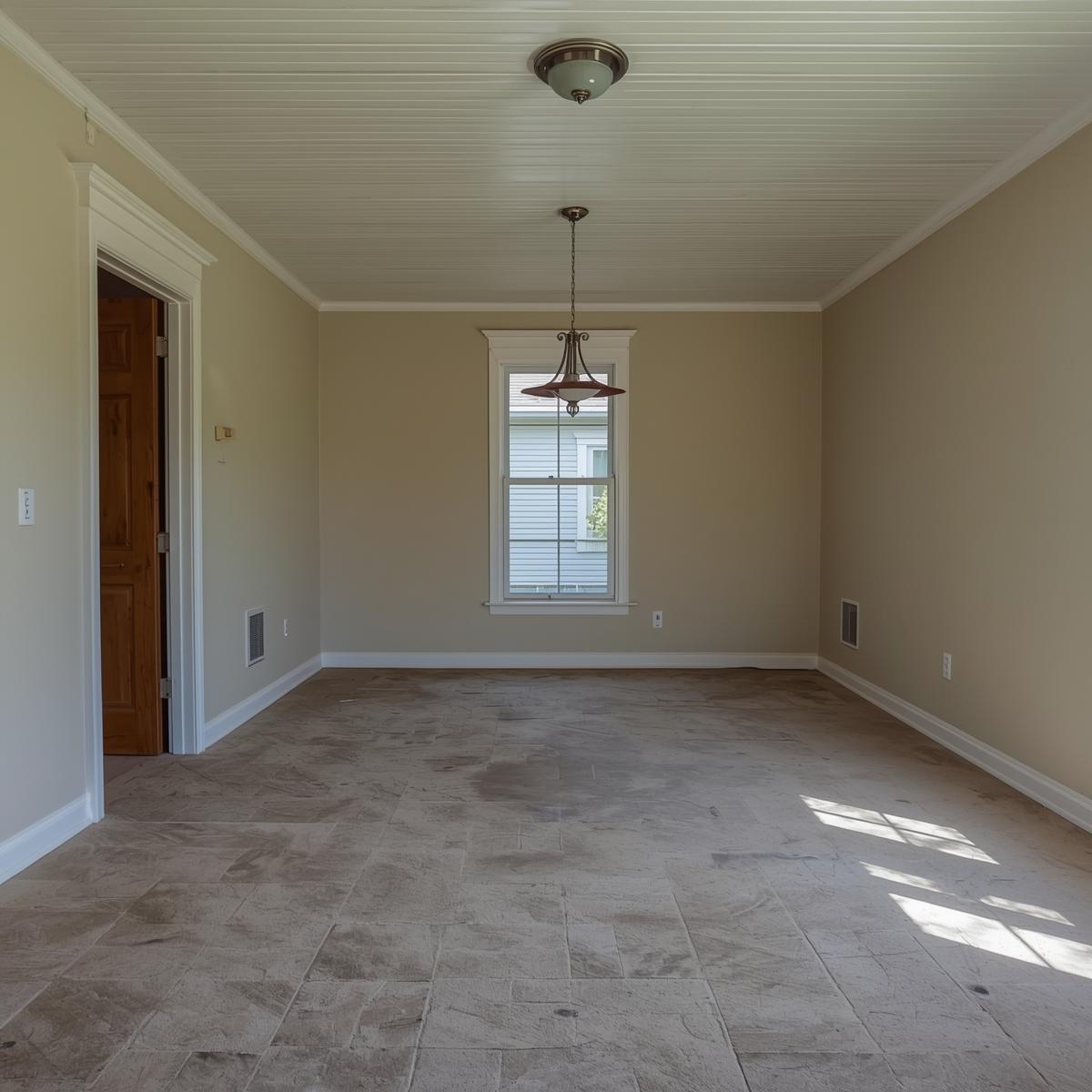
Selling a Home After You’ve Moved Out: Smart Strategies for a Smooth, Profitable Sale
Selling a house that you no longer live in can feel like running a business from afar: you’re managing costs, keeping the property market-ready, and trying to close efficiently without daily oversight. But with the right strategy and structure, it’s entirely possible to sell faster, minimize expenses, and protect your equity even when the house is empty.
Key Takeaways
- Stage or virtually stage to help buyers visualize life inside a space.
- Keep maintenance and utilities active to prevent deterioration and failed inspections.
- Price competitively using fresh local comps.
- Work with an agent skilled in remote coordination, digital marketing, and buyer follow-up.
- Consider temporary protections like listing-period warranties to reduce buyer hesitation.
Make an Empty Home Feel Lived-In Again
When a house is vacant, even a newer one can look lifeless or cold. Buyers often struggle to imagine themselves there, and online photos may lack emotional pull. The first step is to bring back warmth; not furniture, necessarily, but story and scale.
Simple actions like adding rugs, artwork, or a few well-placed decor elements can redefine a space. Virtual staging tools can also overlay realistic furnishings into listing photos, often for a fraction of the cost of physical staging.
The Essential Cost-Control Moves
Carrying two homes can drain your budget fast. The trick is to manage what matters and trim what doesn’t. Before cutting services or closing accounts, review what’s critical for show-ready condition:
- Climate control: Keep temperature consistent to avoid moisture or cracking.
- Insurance: Confirm your policy still covers vacant dwellings — some don’t.
- Yard and exterior care: Neglect sends red flags to buyers and appraisers alike.
- Lighting: Automated timers help the home appear lived-in and secure.
These small expenses preserve property value and protect you from costly repair surprises later.
How to Evaluate Your Pricing and Offer Strategy
A vacant home tends to highlight flaws, so overpricing it can extend market time. Agents recommend benchmarking not just against active listings but also pending ones, which reflect what’s actually moving in your area. Here’s a simple comparison guide to help you align expectations:
| Pricing Strategy Type | Typical Use Case | Risk Level | Buyer Perception |
| Market-accurate (based on 90-day comps) | Balanced markets | Low | Fair and credible |
| Aggressive (below market) | Need faster sale or carrying costs high | Moderate | Motivated seller |
| Premium (above market) | Rare or luxury property | High | Unjustified or speculative |
When in doubt, start realistic; a well-priced home creates urgency and draws multiple offers faster than one that lingers.
Building Buyer Confidence Through Added Protection
Buyers of newer homes often worry about hidden issues that inspections might reveal. Offering home warranty coverage through agents can bridge that trust gap. Many real estate professionals partner with home warranty services to provide listing-period protection plans that cover key systems or appliances while the home is on the market.
This coverage signals that you’re proactive about the home’s condition and can minimize post-inspection renegotiations. It also reassures cautious buyers that unexpected costs won’t derail their move, ultimately helping your listing stand out among similar properties.
The Remote Seller’s Maintenance Checklist
Even from afar, maintaining a home’s “ready-to-show” status is non-negotiable. Use this quick checklist to stay organized and ensure no critical step slips through the cracks. Before each showing cycle or inspection period:
- Schedule regular cleanings and lawn care.
- Test all fixtures, HVAC, and appliances monthly.
- Verify all lights, smoke detectors, and locks function properly.
- Replace filters and empty garbage bins before photos or visits.
- Keep utilities in your name until final closing to avoid utility transfer hiccups.
A well-kept empty home communicates confidence and care, both strong buyer motivators.
Practical Marketing Moves That Close Distance Gaps
If you can’t be there, your agent becomes your proxy operator. Before listing, make sure they have:
- Clear communication routines (text + photo updates weekly).
- A strong digital showing setup, including video tours and drone shots.
- Authority to approve minor maintenance or staging expenses.
Empower them to act on your behalf within pre-set spending limits. This flexibility helps them keep the home show-ready without bottlenecks.
FAQs
Here are common questions sellers face once their home is vacant — and how to handle them wisely.
- Should I turn off utilities to save money?
No. Keeping electricity and water active ensures climate control, prevents plumbing damage, and allows inspectors to verify systems work. Turning them off can create red flags during appraisals and inspections. Always maintain basic utilities until after closing. - How do I handle repairs from inspection findings if I’m out of state?
Work with your agent to coordinate verified local vendors or use a home services marketplace for licensed contractors. Keep all invoices digital and communicate timelines in writing. Remote authorization processes are common and protect both parties. - Can I still stage my home if I’ve already moved my furniture out?
Yes. Virtual staging or partial staging (key rooms only) can achieve the same visual effect. Focus on spaces that sell: kitchen, living room, and primary suite. - What happens if I get a lowball offer?
Use it as data, not defeat. Your agent can analyze whether the market has shifted or your pricing signals urgency. Often, tightening cosmetic details or refreshing photos can reset perception without major concessions. - Is it worth investing in minor updates before listing?
For newer homes, yes, but selectively. Fresh paint, updated fixtures, or polished landscaping can produce outsized returns without large capital outlay. Evaluate ROI with your agent before committing. - How do I protect my property while it’s vacant?
Install smart security cameras or motion-activated lights, and have neighbors or your agent check in regularly. Insurers often require “vacancy clauses,” so confirm compliance with your policy.
Final Thoughts
Selling an empty home is a balance of visibility, vigilance, and value. By maintaining presentation quality, pricing accurately, and offering buyer protections, you can bridge the emotional and logistical gaps that vacancy creates. A proactive plan, paired with an agent who communicates well and leverages digital tools, turns a potentially stressful process into a smooth transition toward your next chapter.
Thank you Andrea Needham for writing this article



